On this page (35)
- Why an aircraft change matters more in Business Class
- Start with the operating carrier
- Re-check the seat map
- Check the cabin description again
- What if you lost the product you paid for?
- Could your seat be reassigned?
- Does an aircraft change affect lounge access?
- When should you check again?
- Three examples where the aircraft matters
- What I would ask a booking provider
- A simple aircraft-change checklist
- The sensible conclusion
- A practical checklist before you book
- Three aircraft-change scenarios
- What a seat map can and cannot tell you
- Why social media can create false certainty
- Aircraft, schedule and fare are a triangle
- The final re-check before boarding
- What if the new aircraft is better than the old one?
- What if the aircraft changes shortly before departure?
- How to avoid overpromising a premium seat
- The value test after an aircraft change
- A harmless aircraft change
- A material product change
- A family seating change
- When an aircraft change is cosmetic and when it is not
- Why seat numbers are less useful than seat characteristics
- The role of the final-day booking check
- Why primary sources beat old reviews for aircraft questions
- If the new aircraft affects a mobility or access requirement
- If the new aircraft affects a child seat arrangement
- If you booked for a special Business Class feature
- What I would save on my phone
- A reader's worksheet
- How I verify information that can change
Quick answer
An aircraft change can affect your Business Class seat, privacy, storage and onboard features. Re-check the operating carrier, aircraft, seat map and cabin before travel rather than assuming the original product will remain unchanged.
Quick answer: An aircraft change can affect your Business Class seat, privacy, storage and onboard features. Re-check the operating carrier, aircraft, seat map and cabin before travel rather than assuming the original product will remain unchanged.
Why an aircraft change matters more in Business Class
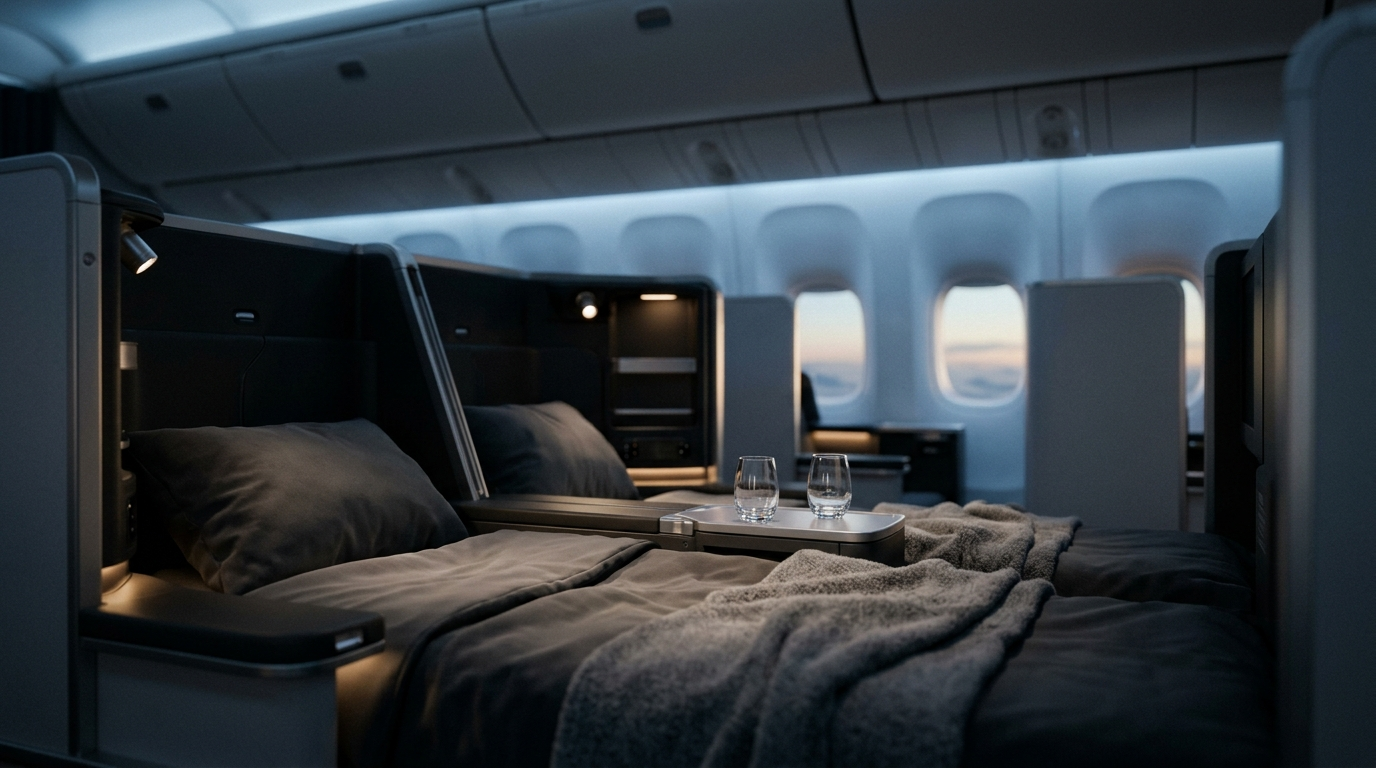
In Economy, an aircraft change can be annoying. In Business Class it can change the actual reason you paid a premium. One aircraft might give you a private suite, direct aisle access and a longer flat bed; another may use a different layout. The airline, aircraft family and configuration are therefore part of the product. Emirates explicitly notes on its current cabin pages that its A380, A350 and 777 Business Class features vary by aircraft and configuration and that operational changes can happen. British Airways also distinguishes Club Suite from other Club World seating. The useful habit is not to panic when the aircraft symbol changes. It is to check exactly what has changed.
Start with the operating carrier
A flight can be sold under one airline's code and operated by another. When an aircraft changes, confirm the operating carrier first. That tells you which cabin, seat map and onboard service to investigate. It also avoids a common mistake: assuming the marketing airline's best Business Class product will appear on a partner-operated flight. For a premium booking, the operating carrier is a key piece of information and should be recorded alongside the flight number and date.
Re-check the seat map
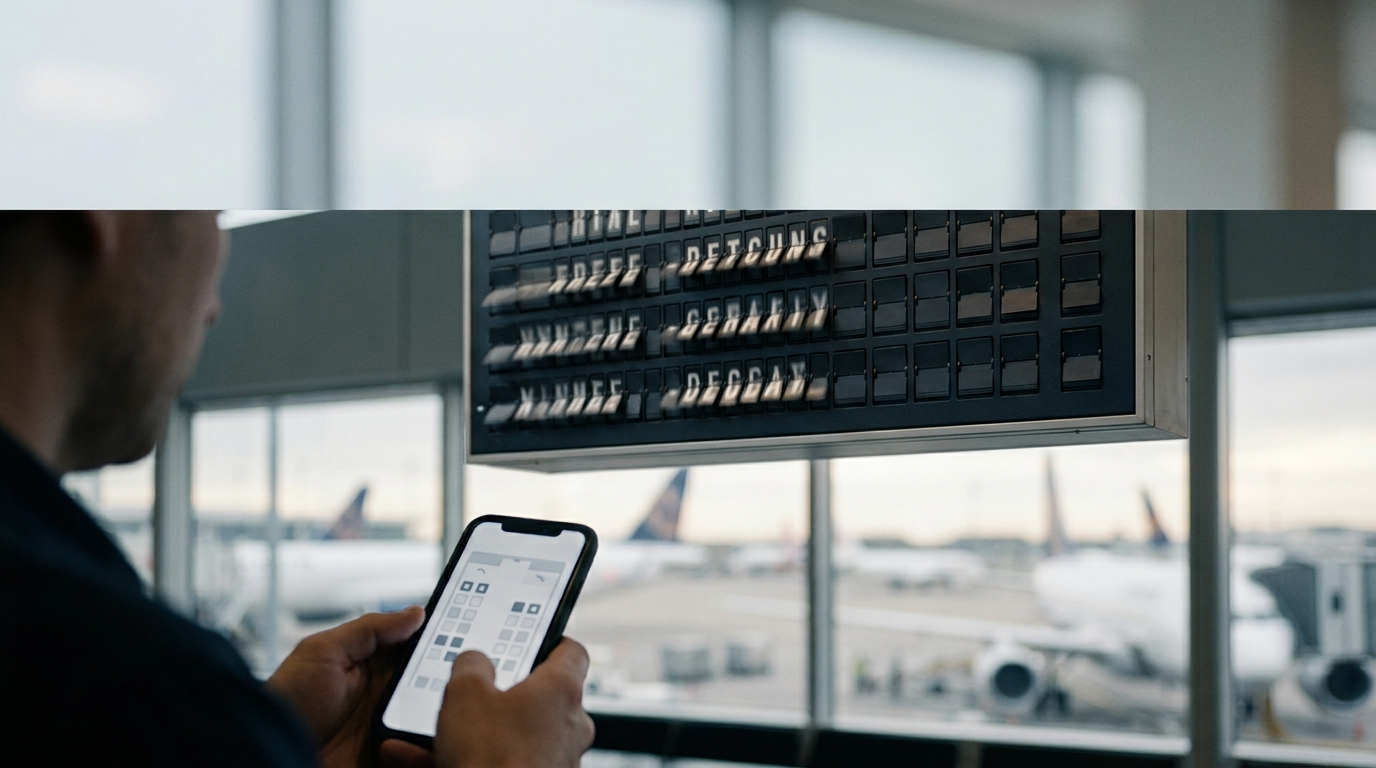
The seat map is the quickest way to see whether the new aircraft changes the experience. Look for direct aisle access, the position of windows, centre pairs, foot wells, privacy screens and seats near galleys or toilets. Couples should also check whether the new map keeps them together. If the airline has moved you to a different layout, do not rely on the seat number from the original reservation — the numbering can be different even within the same Business Class cabin.
Check the cabin description again
Use the airline's current product page for the actual aircraft now shown in your booking. British Airways describes two Club World seat designs depending on route and aircraft. Emirates describes separate A380, A350 and 777 Business Class products and warns that operational requirements can cause changes. This is why an old screenshot, social-media review or seat map from another date should be treated as background, not proof.
What if you lost the product you paid for?
If your original booking showed a particular Business Class product and the new aircraft offers something materially different, contact the airline or booking provider while you still have time. Keep the original confirmation and, where possible, a copy of the original seat assignment. You are then discussing a specific change rather than saying the flight “looks worse”. The remedy available will depend on the airline, ticket and circumstances, so it is better to ask early than wait until boarding.
Could your seat be reassigned?
Yes. A new aircraft can trigger a new seat map and new assignments. If a preferred seat disappears, look again after the aircraft change and again during online check-in. If the seat matters because of mobility, privacy or the need to sit with a child, contact the airline rather than relying only on the online map.
Does an aircraft change affect lounge access?
The lounge is usually determined by the airport, airline, cabin, fare and status rather than the aircraft itself. But a change can sometimes come with a different operating carrier, terminal or schedule. For that reason I re-check the whole airport side of the journey whenever the aircraft changes. A passenger who has lost the expected seat may also discover that other details have moved.
When should you check again?
I would check after booking, as the travel date approaches and at online check-in. The exact timing is less important than having a repeatable routine. Operational schedules can change, and the seat you selected months earlier can move with them. A premium ticket deserves a quick final verification because the value is tied to the details.
Three examples where the aircraft matters
For an overnight flight, the bed and privacy can dominate. For a tall traveller, the length and footwell can matter. For a couple, the seat pairing can matter. In each case, the aircraft is the physical environment that determines the answer. A traveller who only checks the airline name may miss the most relevant part of the booking.
What I would ask a booking provider
Ask: what aircraft is now scheduled, who operates the flight, what Business Class seat is offered, has the seat assignment changed, and is the rest of the itinerary unchanged? If the answer is clear, you can make a decision. If not, ask for the revised itinerary in writing.
A simple aircraft-change checklist
- Save the original itinerary.
- Confirm the operating carrier and flight number.
- Review the new aircraft and seat map.
- Check the cabin and baggage again.
- Reconfirm your lounge and airport plan.
- Contact the provider early if the product has materially changed.
The sensible conclusion
Aircraft changes are a normal part of airline operations. The useful response is a check, not a panic. For a Business Class traveller, the important question is whether the new aircraft still provides the features that made the ticket good value. If it does, carry on. If it does not, raise the issue while there is still time to discuss alternatives.
| What changed? | Why you should care | First check |
|---|---|---|
| Aircraft type | Seat and cabin configuration may differ | New seat map |
| Operating carrier | Onboard product may change | Flight details |
| Seat assignment | Preferred seat may disappear | Manage My Booking |
| Schedule | Lounge/connection time may change | Revised itinerary |
| Cabin | Could change the value materially | Booking confirmation |
A practical checklist before you book
- Check the exact flight number, operating carrier and aircraft where available.
- Compare the total journey time, not only the advertised fare.
- Confirm the Business Class seat or cabin you expect.
- Check baggage, lounge access and fare conditions on the actual ticket.
- Save the booking details and re-check them close to departure if a specific service matters.
Three aircraft-change scenarios
Scenario one: the aircraft changes but the cabin remains broadly the same. In that case, check the new seat map and keep the booking if the features you care about remain. Scenario two: the aircraft changes and your preferred seat disappears. Re-select if possible and contact the provider if the seat was important for a documented need. Scenario three: the aircraft change results in a materially different Business Class product. That is when I would stop and ask for the revised details in writing. The point is not to demand a remedy automatically. It is to make sure you understand what you are now buying.
What a seat map can and cannot tell you
A seat map can show layout, seat position, aisle access and proximity to galleys or toilets. It cannot guarantee the exact service, meal timing or noise level on the day. It is therefore best used as a planning tool. When the aircraft changes, the seat map becomes especially valuable because it lets you compare the new physical cabin with the original one. If you need a specific accessible seat, a bassinet position or to sit next to a child, speak directly to the airline.
Why social media can create false certainty
A traveller may post a brilliant video of a Business Class suite and another may post a photo of an older configuration. Both can be genuine and both can be irrelevant to your flight. Airlines operate mixed fleets and can change aircraft. Emirates explicitly flags this on its current pages. The lesson is to use social content for inspiration, not as evidence that a specific product will be on your date.
Aircraft, schedule and fare are a triangle
An aircraft change is easier to judge when you also look at the timetable and fare. If the new aircraft is slightly weaker but the airline moves you to a better arrival time, the net effect may still be positive. If the new seat is poorer and the schedule also becomes less useful, the change is more meaningful. Always assess the three together instead of looking at the aircraft icon in isolation.
The final re-check before boarding
On the day, the airport display and boarding pass are the most immediate operational sources. Confirm the gate and aircraft information, then compare your actual seat with the one shown in your booking. If something significant has changed, speak to airline staff as early as possible. Premium travellers should use the time they have before boarding; the gate is not the place to discover that the seat no longer suits the journey.
What if the new aircraft is better than the old one?
Aircraft changes are often discussed as though they are automatically bad. They are not. A new configuration can provide a better seat, more storage or a more useful layout. If the revised aircraft improves the part of the trip you care about, keep the booking and enjoy the upgrade in practical terms. The important thing is that you noticed the change and checked the consequences instead of relying on the original seat number.
What if the aircraft changes shortly before departure?
At that point, the priority is clarity. Check the current boarding pass, seat assignment and cabin. If the new arrangement matters because of disability, family seating or a specific need, contact the airline promptly. Operational changes can happen close to departure. The right response is to ask what has changed and what options exist, rather than assuming the change must be accepted without explanation.
How to avoid overpromising a premium seat
Never describe a seat as guaranteed simply because it appears on a marketing page. Airline and aircraft configurations change. Use words such as “scheduled”, “shown in the current booking” or “subject to operational change”. That language is not weak. It is accurate. It also protects the trust relationship with a customer who understands that aviation is operational rather than static.
The value test after an aircraft change
Ask whether the new cabin still delivers the reason you booked. If you wanted a flat bed and still have one, the change may not matter. If you wanted a private suite and now have a completely different arrangement, it may matter a lot. That simple test is more useful than arguing about aircraft rankings online.
A harmless aircraft change
Suppose your flight moves from one A350 configuration to another and the new seat is still fully flat with direct aisle access. I would check the new map, re-select a sensible seat and move on. The aircraft changed, but the reason for buying Business Class remains. Not every operational change deserves a complaint.
A material product change
Now imagine you booked because a private suite was shown and the airline moves you to a configuration without the same privacy. That is different. Save the original confirmation, check the new seat map and contact the provider. Explain exactly what changed. Clear facts are more useful than saying the new aircraft is “worse”. You can then ask what alternatives or options are available under the booking.
A family seating change
For a family, the aircraft change can be more disruptive because a new seat map may separate the group. The answer is to check the new seating immediately and contact the airline if the arrangement no longer works. The cabin may remain Business Class, but the practical value of the booking has changed. This is why family travellers should treat seat assignments as part of the trip plan, not as a cosmetic detail.
When an aircraft change is cosmetic and when it is not
If the new aircraft still provides the same basic seat features you value, the change may not matter. If it removes privacy, changes the bed, separates your party or moves you into a different cabin, it matters more. The correct response is therefore not “aircraft changed = bad”. It is “what physical features changed?” That gives the traveller a concrete way to judge the effect.
Why seat numbers are less useful than seat characteristics
Seat 8A may be excellent on one aircraft and unavailable on another. I prefer to think in characteristics: window, aisle, direct aisle access, quiet location, pair of seats, privacy. If the aircraft changes, those characteristics can be found again on the new map. This makes your booking more resilient than building the entire plan around a particular row number.
The role of the final-day booking check
The last check is not about obsessing over an itinerary. It is about avoiding surprises. Open the current booking, check the aircraft, seat, cabin and schedule, then make sure you know where to go at the airport. If something has changed materially, raise it while there is still time to discuss it. If nothing has changed, you can stop thinking about it.
Why primary sources beat old reviews for aircraft questions
Seat reviews age quickly because aircraft move, cabins are refurbished and schedules change. Airline product pages and the current booking are better evidence for the specific trip. Reviews still have value: they can tell you what to inspect. The mistake is treating an old review as a guarantee.
If the new aircraft affects a mobility or access requirement
Some travellers choose a particular seat because of mobility needs, medical considerations or the need to sit next to a companion. An aircraft change can therefore be more important than a comfort preference. In that situation, contact the airline as soon as you receive the revised aircraft or seat assignment. Explain the practical requirement rather than simply requesting a “better seat”. Staff can then assess the appropriate arrangement.
If the new aircraft affects a child seat arrangement
Parents should re-check the seat map after any aircraft change. A new cabin layout may move the family group even if the booking remains in Business Class. If the child needs to be beside an adult, raise it early. The current airline booking is the source of truth for the actual seat assignment.
If you booked for a special Business Class feature
Sometimes the whole point of the upgrade is one feature: a private suite, direct aisle access or a particular bed length. If that feature disappears, the change is worth investigating. Do not spend time arguing about whether the new aircraft is “better”. Explain the specific feature you selected and ask what the revised option provides.
What I would save on my phone
Keep the booking reference, flight number, current seat, terminal and operating carrier. If the app changes after an aircraft swap, you can quickly compare the new details with the original booking. It is simple preparation that makes airport conversations much easier.
A reader's worksheet
How I verify information that can change
Airline and airport services are not static. Lounge access can change with the fare; aircraft can be swapped; airport services can be updated; baggage conditions can differ by ticket. I therefore separate evergreen advice from live facts. The evergreen part is the decision method in this article. The live part should be checked against the current booking and the primary airline or airport source before travel. Where I mention a feature such as a seat, lounge or Fast Track arrangement, the source link is provided so a reader can check the current position. This is why this guide uses words such as “currently”, “eligible” and “subject to” where the service is conditional.
Keep reading
Related reading
References
Sources
Rules and fares change. These are the references behind the factual claims above — check them yourself before you travel.
What Happens If Your Business Class Flight Changes Aircraft Before Departure? — FAQs
Prefer to talk? 786 262 0009 .
Can an airline change my Business Class aircraft?
Yes. Operational aircraft changes can happen, sometimes close to departure.
Will my Business Class seat stay the same?
Not necessarily. A new aircraft can create a new seat map and assignment.
Can the Business Class product change after booking?
Yes. Different aircraft or configurations can offer different Business Class seats.
Should I check the aircraft before booking?
Yes, especially if a private suite, bed length or privacy is important.
What should I do if my seat disappears?
Check the new seat map and contact the airline or booking provider if the change matters.
Does an aircraft change affect the operating airline?
It can, so verify the operating carrier in the revised itinerary.
Can the airline change the cabin?
A significant schedule or operational change can alter the booking arrangement; ask the airline to confirm what you now have.
Does an aircraft swap change lounge access?
Not usually by itself, but re-check the overall itinerary if the carrier, terminal or schedule changes.
When should I re-check my seat?
After booking, close to departure and again during online check-in.
Is the aircraft shown at booking guaranteed?
Not always. Airlines can make operational changes.